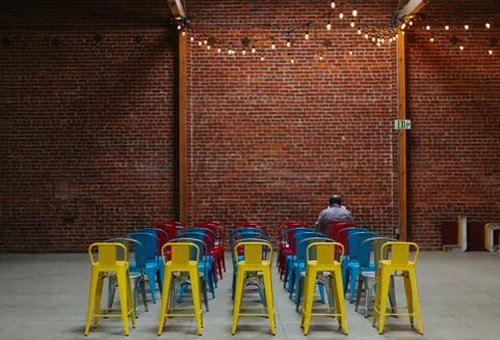
Identifying your ideal attendees is only half the battle. Even the perfect guest list will not guarantee full attendance. Without a strategic communiation plan, seats stay empty and your event falls shot of its potential.
In this blogpost, we will show you how to take your event communication to the next level, ensuring more guests show up, engage, and leave excited for the next event.
Why event communication matters
Even the most meticulously planned event can be undermined by poor communication. Duplicate emails, outdated information, or generic messaging can create confusion and frustration. Investing in a thoughtful, multi-touch communication strategy ensures your attendees feel informed, engaged and valued.
Here’s how to structure event communication for maximum impact.
1. Key contact moments for maximum attendance
Timing is everything. Thoughtfully place communication touch points not only reduce no-shows, but also build excitement and loyalty. Focus on these 4 high impact moments:
- Confirmation immediatly after registration: remove any uncertainty by confirming attendance right away. Include a calendar link so guests can easily add your event to their schedules.
- Pre-event updates: provide essential details: parking, start time, catering, and other logistics. Combine this with content that builds anticipation, like sneak peeks or behind-the-scenes stories.
- Post-event follow-up: extend the event experience by sharing presentations, photos, or aftermovies. This demonstrates care and professionalism while keeping your brand top of mind.
- Feedback Requests: ask for feedback via a short survey. Not only will you gather insights to improve future events, but guests will also feel heard and valued, strengthening their relationship with your brand.
Pro Tip: Consistent follow-ups increase repeat attendance and long-term engagement.
2. Build a comprehensive, branded experience
Your event’s first impression begins with the initial email. Attendees expect consistent branding across all communications. Use your logo, colors, and tone in every touchpoint to reinforce a professional, trustworthy image.
A strong brand presence also turns each email into an opportunity for awareness and engagement, making your event more memorable.
Check out how you can create on-brand emails and automate the communication process.
3. Targeting and Personalisation
Even the best communication plan fails if it reaches the wrong audience. Targeting and personalising content ensures you attract guests who align with your event goals.
- Segment by interest, role, or engagement history.
- Leverage personalisation: addressing recipients by name and tailoring messages to their preferences increases resonance and response rates.
Your sales team is a key asset here, they know your clients and prospects best. Involve them early to identify the ideal guests and provide context for personalised invitations.
Check out our slidedeck on how to increase event impact with sales engagement.
4. Automate and track communication
Managing multiple emails manually is a recipe for errors: duplicates, forgotten invites, or mis-timed reminders. Automation solves this problem and provides real-time insights.
With the right platform, you can:
- See who received what and when
- Monitor registration progress
- Intervene quickly if attendance is lower than expected
Platforms like InviteDesk allow you to automate communication, maintain brand consistency and track engagement in one centralised system, giving you full control and peace of mind.
Boost your next event’s attendace
Empty seats are avoidable. By strategically planning every touchpoint, personalising content, and leveraging automation, you can dramatically improve attendance, engagement, and the overall guest experience.
Next step: use an event management platform to streamline invites, follow-ups, and post-event engagement, ensuring every seat is filled and every guest leaves impressed.